

Imagine a world where the stories of our ancestors, cultures, and histories come alive, connecting us across generations and borders. These international heritage stories are the threads that weave together the rich tapestry of human civilization, offering insights into who we are and where we’ve come from. From ancient ruins to modern-day initiatives, these tales shape our identities and guide us toward a deeper understanding of the world we inhabit. In this article, we embark on a journey to explore the significance of international stories, their impact on modern society, and the efforts to preserve them for future generations. Whether you’re curious about the delisted World Heritage Sites or the role of organizations like UNESCO, this exploration will shed light on the importance of safeguarding our shared history.
Key Takeaways
– UNESCO protects and promotes global cultural and natural heritage, ensuring iconic sites and ecosystems are preserved for future generations.
– It fosters education, science, and culture, driving progress and collaboration across nations.
– UNESCO champions cultural diversity and human rights, ensuring access to education and fostering inclusivity.
– Italy leads with the most UNESCO World Heritage Sites, showcasing its rich history and architectural legacy.
– The organization bridges nations through dialogue and cooperation, contributing to global stability and peace.
– UNESCO drives innovation in science and technology, supporting international research and sustainable development efforts.
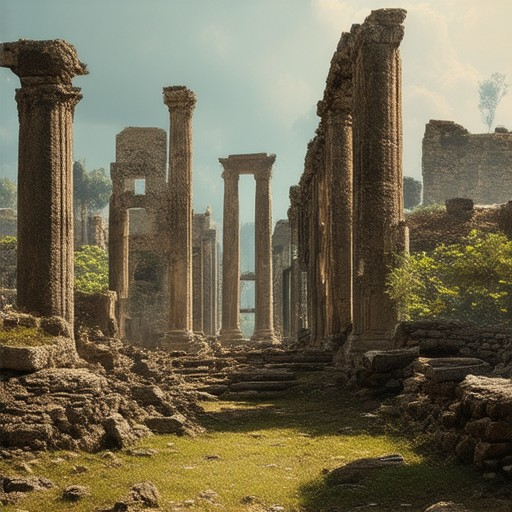
What Are Heritage Stories?
Heritage stories are personal narratives that recount the lives and experiences of individuals who have been deeply connected to a particular place or cultural heritage. These stories often highlight the unique journey, achievements, and contributions of people who have lived or been born within a specific historical or cultural context, often tied to a notable location or movement.
Key Components of Heritage Stories
- Personal Background : Heritage stories typically begin with the subject’s early life, upbringing, and family history, providing context for their later actions and decisions.
- Life Experiences : These tales often detail significant events, challenges, and triumphs that shaped the individual’s character and contributed to their legacy.
- Cultural Impact : Many heritage stories emphasize how the environment, traditions, and societal norms of the area influenced the person’s life choices and broader societal changes.
Example of Heritage Stories
One prominent platform that shares such narratives is Bending Borders . Their platform focuses on cultural exploration and storytelling, offering unique insights into global destinations and diverse perspectives. Through blog posts and detailed articles, Bending Borders highlights the stories of individuals whose lives reflect the rich tapestry of human experience, blending travel adventures with deep cultural understanding.
By sharing these stories, platforms like Bending Borders aim to bridge cultural gaps and inspire curiosity among readers. They provide practical travel tips and destination guides, making the content appealing to both avid travelers and culture enthusiasts. The platform’s commitment to showcasing diverse viewpoints ensures that readers gain a well-rounded appreciation for the world’s many cultures and traditions.
Why Heritage Stories Matter
Heritage stories are more than just historical accounts—they are living histories that connect us to our roots and inspire future generations. By preserving and sharing these tales, we honor the past while fostering a deeper understanding of ourselves and others.
Cultural Heritage
Cultural heritage refers to the collective legacy of human societies, encompassing tangible and intangible assets that reflect the history, beliefs, and customs of distinct groups. It serves as a bridge between generations, preserving identities and fostering cultural continuity.
Examples of Cultural Heritage
Cultural heritage can be expressed through various forms, each offering unique insights into human history:
Tangible Cultural Heritage
Tangible cultural heritage consists of physical objects, artifacts, and structures that have historical, artistic, or scientific value. Prominent examples include:
- Archaeological Discoveries : Ancient ruins, tombs, and artifacts, such as the Great Wall of China or the Taj Mahal, provide windows into past civilizations.
- Art and Architecture : Masterpieces like Leonardo da Vinci’s Mona Lisa or Gothic cathedrals showcase architectural ingenuity and artistic expression.
- Literature and Manuscripts : Works by renowned authors, such as William Shakespeare’s plays or the manuscripts of Einstein’s theory of relativity, hold significant intellectual value.
Intangible Cultural Heritage
Intangible cultural heritage represents the non-material aspects of culture, including traditions, languages, and rituals. Key examples include:
- Festivals and Ceremonies : Events like Mardi Gras, Carnival, or the Chinese Lunar New Year celebrations highlight communal traditions and symbolic practices.
- Oral Traditions : Folktales, myths, and legends, passed down through generations, preserve cultural values and histories.
- Performing Arts : Music, dance, and theater performances, such as classical ballets or traditional folk dances, embody cultural identity and expression.
By recognizing and preserving both tangible and intangible cultural heritage, we safeguard the diversity of human knowledge and ensure future generations can connect with our shared history.
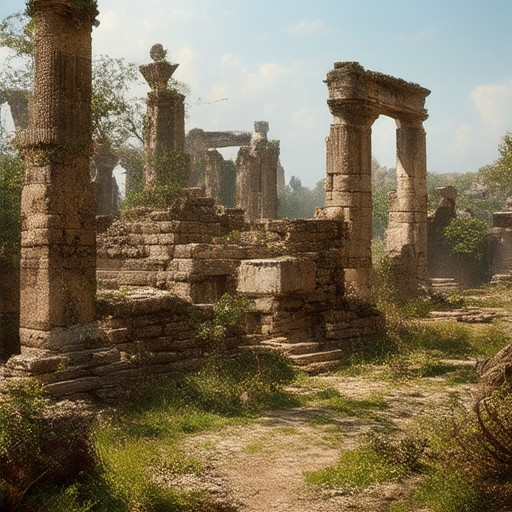
What are the three delisted World Heritage sites?
The UNESCO World Heritage List rarely removes sites, but there have been a few notable exceptions:
- The Arabian Oryx Sanctuary in Oman was removed in 2007 due to poor conservation efforts and overgrazing.
- The Dresden Elbe Valley in Germany was delisted in 2009 because of extensive urban development that destroyed its historic character.
- The Liverpool Maritime Mercantile City in the United Kingdom lost its status in 2010 due to modernization and commercialization.
Who is UNESCO?
UNESCO stands for the United Nations Educational, Scientific and Cultural Organization. It is a specialized agency of the United Nations dedicated to fostering global progress in education, science, culture, and communication. Established in 1948, UNESCO works to promote the values of peace, sustainable development, and respect for diversity, leveraging these pillars to advance human progress worldwide.
What does UNESCO do?
UNESCO operates across four primary domains: education, science, culture, and communication. Here’s a breakdown of its key functions:
- Education : UNESCO supports global access to education, advocating for universal literacy and equitable educational opportunities. It collaborates with governments and NGOs to develop curricula and policies that foster inclusive learning environments.
- Natural Heritage Conservation : As a leader in safeguarding the world’s cultural and natural heritage, UNESCO identifies World Heritage Sites, ensuring the preservation of iconic landmarks and ecosystems for future generations.
- Promoting Peace and Development : By emphasizing the importance of cultural exchange and dialogue, UNESCO helps build bridges between nations and fosters mutual understanding. Its efforts contribute to conflict prevention and global stability.
- Advancing Science and Technology : UNESCO facilitates international cooperation in scientific research and technological innovation, particularly in fields like health, energy, and environmental sustainability.
- Cultural Promotion : The organization champions cultural diversity and creativity, supporting artists, scientists, and thinkers. It also manages international conventions and agreements that protect intellectual property and promote cultural exchange.
Through these initiatives, UNESCO plays a pivotal role in shaping a more informed, connected, and compassionate world.
Primary Purpose of UNESCO
UNESCO, the United Nations Educational, Scientific and Cultural Organization, serves as a specialized agency of the United Nations dedicated to promoting global cooperation in education, science, and culture.
- Education: To ensure that every child and citizen has access to quality education, fostering opportunities for personal and societal progress.
- Cultural Heritage Protection: To protect and promote the diversity of human culture by safeguarding intangible and tangible cultural heritage, ensuring its transmission to future generations.
- Scientific Progress: To contribute to the advancement of science, technology, engineering, and mathematics (STEM) fields, supporting innovation and international collaboration in research.
- Fostering International Cooperation: To serve as a platform for dialogue and partnership among nations, working towards collective goals in education, science, and culture to build a more peaceful and prosperous world.
- Human Rights Promotion: To advocate for the right to education and cultural participation, ensuring inclusivity and equity in access to these resources.
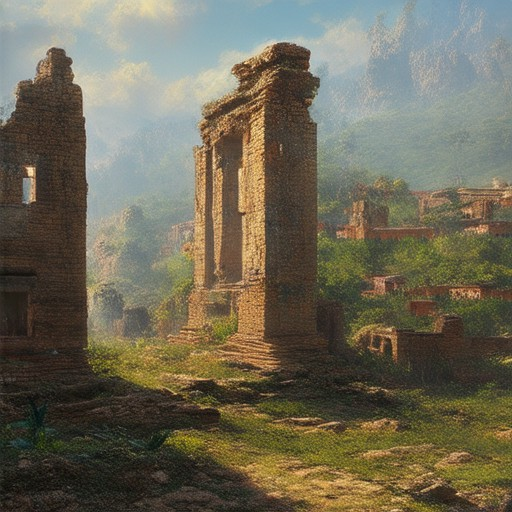
Country with the Most UNESCO World Heritage Sites
The country with the most UNESCO World Heritage Sites is Italy.
As of recent evaluations, Italy boasts an impressive total of approximately 55 UNESCO-listed sites. These sites encompass a vast array of cultural and natural wonders, reflecting Italy’s rich history, artistic achievements, and architectural legacy. Some of the notable sites include:
- Rome – Colosseum, Roman Forum, and the Vatican City
- Venice – Canal Grande, Doge’s Palace, and St. Mark’s Basilica
- Florence – Leaning Tower of Pisa, Ponte Vecchio, and Santa Croce Cathedral
- Alberobello – Trulli Houses
- Pompeii and Herculaneum – Ruins of ancient cities buried by volcanic ash
Italy’s diverse geographical features also contribute to its high number of UNESCO sites, such as the Dolomites and Lake Como. While other countries like China and Spain have significant numbers, Italy maintains the leading position due to its dense concentration of historically and culturally significant locations.
This distinction underscores Italy’s enduring appeal as a destination for history buffs, artists, and tourists alike, making it a prime example of cultural and historical preservation.


0 Comments