

Integrating Inshore Fishing into Cultural Travel
For the culture-minded traveler, exploring a new destination goes far beyond visiting museums or dining at local restaurants; it involves engaging with the local environment and its traditions. Inshore fishing offers a unique window into coastal communities, providing a hands-on experience of the local ecology and the historical relationship between the residents and the water. However, participating in this activity respectfully requires meticulous planning. Treating a destination merely as a generic backdrop for fishing ignores the complex web of local access rules, environmental conditions, and community norms that govern the area.
Planning a respectful inshore fishing day while traveling means prioritizing education over expectation. It involves taking the time to understand the local context, starting with the natural rhythms of the environment, such as the tides, and extending to the legal requirements and community etiquette. By approaching the activity as a guest in someone else’s home waters, travelers can foster positive interactions and ensure their impact on the resource is minimal.
Just as you would research the customs of a foreign city to understand what cultural travel truly means, researching the specific regulations and environmental factors of a coastal destination is vital. This preparation allows you to appreciate the nuance of the local fishery and ensures that your participation is both legal and respectful of the community’s stewardship.
The Role of Tides in Coastal Environments
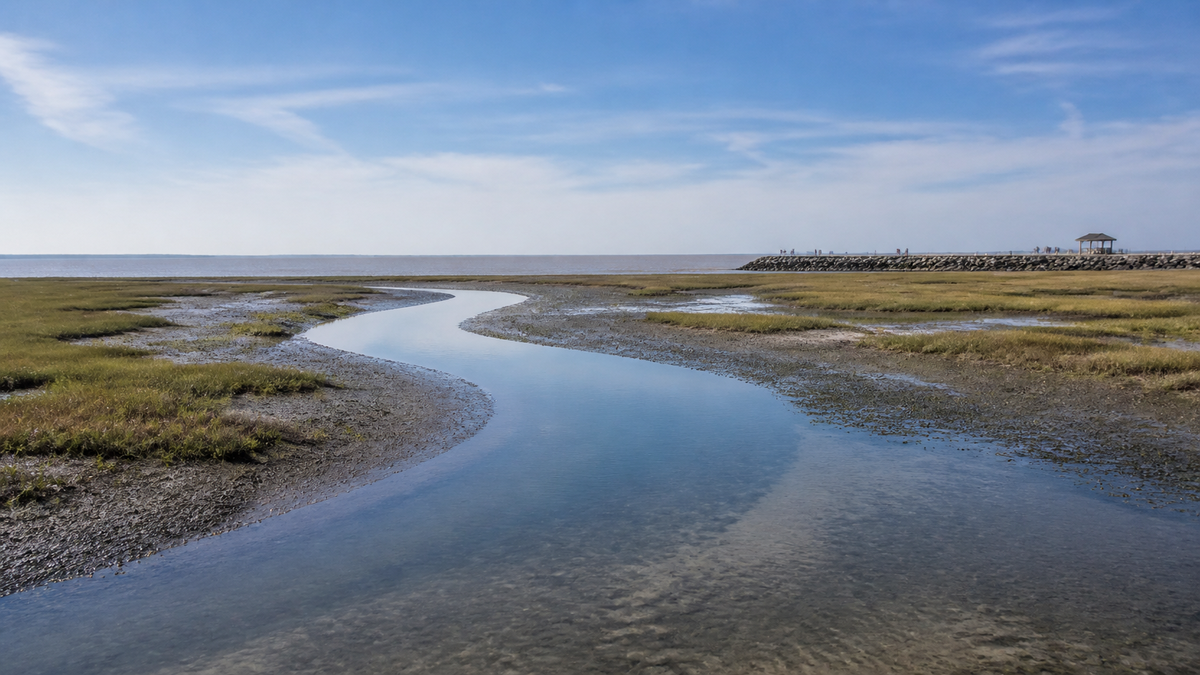
A fundamental aspect of any coastal environment is the tidal cycle. Understanding the tides is not just about finding the fish; it is about understanding the landscape you are visiting. The NOAA Ocean Service tutorial on tides explains that the gravitational pull of the moon and sun causes the predictable rise and fall of sea levels. In inshore environments like estuaries, bays, and tidal creeks, these water movements dictate everything from the current flow to the accessibility of certain areas.
When you prepare for your trip, you must learn to read the local tide charts. This information is readily available through official sources like the NOAA Tides and Currents data portal. Knowing when the water will be high or low helps you navigate the area safely. For example, navigating a shallow tidal flat on a falling tide can lead to a grounded vessel or a long, difficult walk back to shore through deep mud.
Travelers looking to plan an inshore fishing tide window should use this data to understand the flow of water through the local system. However, it is crucial to recognize that this is purely for environmental context and access planning. We do not claim that a specific tide guarantees a catch or that it substitutes for local knowledge regarding safety.
Navigating Local Access and Regulations
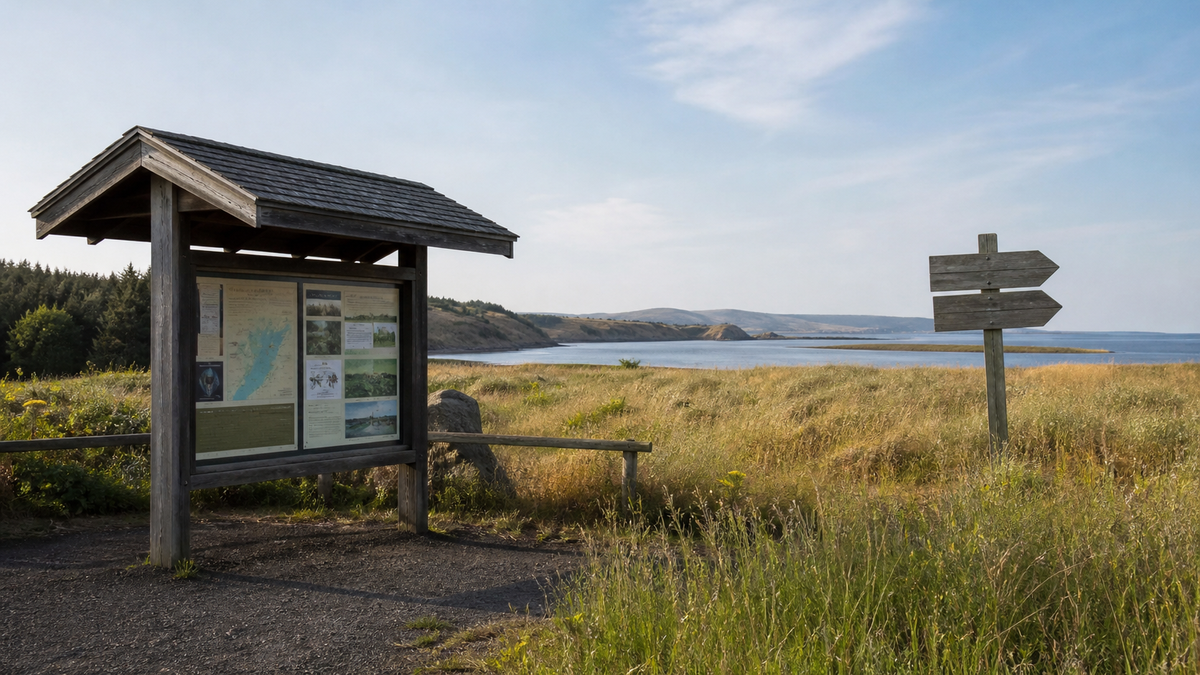
The most critical step in planning a respectful fishing day is understanding and strictly adhering to local regulations. Fishing rules are not universal; they vary drastically not only between states but often between specific bodies of water within the same county. It is the traveler’s absolute responsibility to obtain the correct, current fishing license for the exact jurisdiction they are visiting.
Beyond licensing, you must familiarize yourself with the specific rules for the species you might encounter. This includes size limits (minimum and maximum), daily bag limits, and closed seasons. Ignorance of the law is not an excuse, and violating these rules disrespects the local community’s conservation efforts. Never invent a regulation or assume that rules from your home waters apply elsewhere.
Access is another vital consideration. Just because you can see the water does not mean you are permitted to fish there. Coastal areas may include public land, private property, and protected habitat. The U.S. Fish and Wildlife Service maintains a current fishing information hub, while the exact refuge, state, or local manager supplies the rules that govern a specific place. Respect posted signs and use only confirmed public access points.
Weather Awareness and Safety Preparedness
Cultural travel often involves embracing the unexpected, but when it comes to coastal weather, predictability and caution are required. Before heading out, travelers must consult official marine forecasts, such as the National Weather Service (NWS) Marine Forecast. Coastal weather can be highly localized and change much faster than inland weather.
Pay close attention to wind speed, wind direction, and any small craft advisories or thunderstorm warnings. Do not rely on generic weather apps; use specialized marine forecasts that account for the unique dynamics of the coastline. If the forecast calls for hazardous conditions, the respectful and safe choice is to postpone your fishing plans and seek alternative cultural activities inland.
Furthermore, ensure you are adequately prepared for the environment. This means carrying safety equipment appropriate for your chosen method of fishing, whether you are wading, kayaking, or fishing from a bank. Let someone know your plan, where you are going, and when you expect to return. Safety should never be compromised for the sake of the experience.
Engaging with the Local Community
A truly respectful fishing experience involves engaging with the local community in a positive way. Visit local bait and tackle shops not just to purchase supplies, but to seek advice. Local tackle shop owners are often the best source of current information regarding access points, etiquette, and what is currently happening in the local environment. Supporting these businesses is a direct way to contribute to the local economy.
When you are on the water, practice common courtesy. Give other anglers plenty of space. Do not crowd someone who has already established a spot, and keep your noise levels down. If you are fishing from a shared structure, like a public pier or seawall, be mindful of where you cast and how much space your gear occupies.
By observing and interacting respectfully, you might unveil diverse lifestyles and the best travel stories simply by sharing a conversation with a local angler. Remember that you are a visitor; adopting an attitude of humility and respect goes a long way toward ensuring that you are welcomed back in the future.
Clear Boundaries and the Limits of Guides
It is important to reiterate that while planning resources and guides can provide valuable context, they do not replace official rules. The information provided regarding tides, weather, and general practices must always be cross-referenced with the exact jurisdiction’s current regulations.
Never rely on a TideCue guide, or any other general online resource, as a substitute for reading the official rulebook provided by the local department of natural resources or fish and wildlife agency. There are no invented thresholds or guarantees provided here; your compliance with local laws and your commitment to safety are entirely your responsibility.
Traveler’s Inshore Planning Checklist
To assist in your preparation, use the following checklist to ensure you have addressed the key logistical and regulatory requirements for a respectful inshore fishing experience while traveling.
| Requirement Category | Checklist Action | Verification Detail |
|---|---|---|
| Licensing | Purchase Local Fishing License | Verify the license is valid for the exact dates and specific water body (saltwater vs. freshwater boundaries). |
| Regulations | Review Size and Bag Limits | Download or print the current, official regulations for the specific state and county. |
| Access | Confirm Public Access Points | Ensure your chosen spot is legal for public fishing and does not trespass on private or protected land. |
| Environment | Check NOAA Tide Charts | Note the times of high and low tide for spatial planning and safe navigation of the area. |
| Weather | Consult NWS Marine Forecast | Check for wind, thunderstorm, or small craft advisories immediately before departing. |
| Community | Visit Local Tackle Shop | Purchase local gear and politely ask for guidance on local etiquette and current conditions. |
Frequently Asked Questions
Why can’t I just use my home state’s fishing license when traveling?
Fishing licenses are issued and managed at the state (and sometimes local) level to fund specific conservation efforts and manage local resources. You must always purchase a license valid for the exact jurisdiction you are visiting.
Where is the best place to find the official fishing regulations for my destination?
The best and most accurate source is the official website of the destination state’s Department of Natural Resources (DNR) or Fish and Wildlife agency. Do not rely on third-party blogs or outdated printed guides.
How do I know if an area is public property or a protected reserve?
You should cross-reference local maps with information from the local wildlife agency. Always look for posted signs, and when in doubt, ask a local tackle shop or park ranger to confirm access rules.
Does checking the tide chart guarantee I will catch fish?
No. Checking the tide chart provides context for water movement and helps with access planning and navigation, but it does not guarantee a catch or indicate that the environment is inherently safe.
What should I do if the marine forecast predicts high winds, but the sky looks clear?
Always defer to the official marine forecast (such as the NWS). Coastal weather can change rapidly, and dangerous wind or wave conditions can exist even on a seemingly clear day. Prioritize safety and alter your plans accordingly.

0 Comments